
Creole Heritage & Living Traditions

Creole culture in Mauritius isn’t something you “visit” once and tick off. You feel it in small, everyday moments. In the way people greet you. In the rhythm of a joke. In the smell of spices on a morning market walk. In a song that turns into clapping without anyone announcing it. If you’re exploring the Mauritian Creole Culture, think of it as a living mix of influences that became its own identity over time. It’s warm, expressive, and proudly local.
This blog is a guide to the island’s Creole heritage as it’s lived today, through local crafts, music, food habits, language, and community celebrations. It’s designed for travellers who want authentic encounters and meaningful experiences, not just photos. Along the way, you’ll also find a gentle cultural link to a heritage address in the south that many visitors enjoy for its atmosphere and storytelling.
Creole culture Mauritius: a blend that became a signature
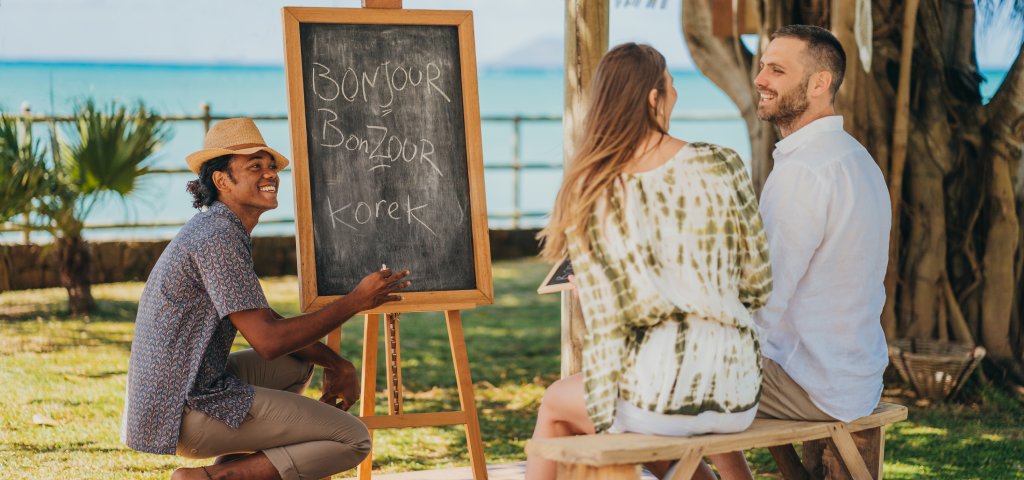
Mauritius is multicultural by nature, and Creole culture grew out of that reality. Different people, languages, and traditions met on one small island and created new ways of speaking, cooking, making music, and celebrating. That’s what makes Creole identity in Mauritius so special. It’s not “one origin.” It’s a shared island style.
You’ll notice it in the language, too. Mauritian Creole is the sound of daily life. It’s quick, expressive, and full of humour. Even if you don’t speak it, you’ll feel its energy in conversations, greetings, and market interactions. This is culture as real life, not as a performance.
Sega: the heartbeat of living tradition
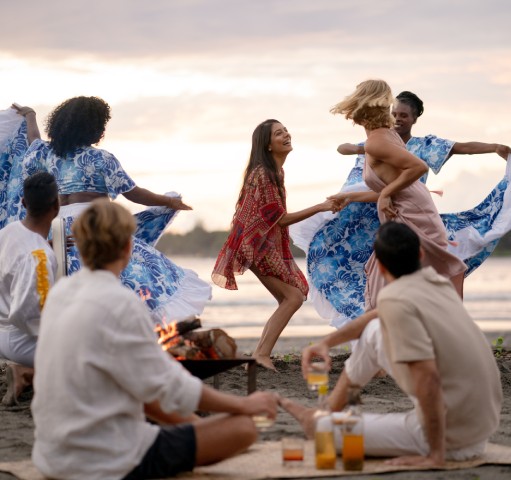
If there’s one tradition that captures Creole identity instantly, it’s sega. You don’t need a stage or a spotlight. All you need is rhythm, a circle, and people who feel like sharing a moment.
Sega has roots that travel across the Indian Ocean, and over time it became one of the strongest cultural symbols of Mauritius. The movement is grounded and fluid. The rhythm is warm and contagious. Instruments like the ravanne, triangle, and maravanne create that unmistakable sound that feels like the island itself.
Today, sega lives in different forms. You might hear a traditional ravanne-led session. You might catch a modern version at a festival. You might experience a sega night as part of a cultural programme at a hotel. The format changes, but the spirit stays the same: togetherness, joy, and identity expressed in rhythm.
Local crafts: handmade Mauritius you can take home
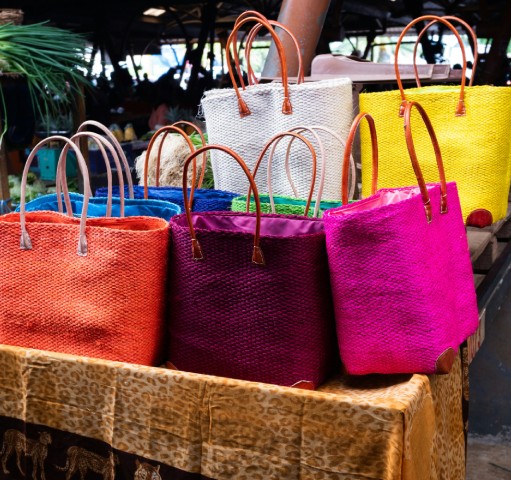
To understand local crafts in Mauritius is to understand patience, skill, and pride. Craft is where culture becomes something you can touch. In markets and artisan corners, you’ll find woven pieces, basketry, small woodwork, textiles, and handmade keepsakes that carry island character.
The best approach is to shop slowly. Ask questions. Learn what’s made locally and what’s imported. When you meet a craftsperson, you’re not just buying an object. You’re supporting a story and a skill that survives through practice. Look for pieces that feel useful and meaningful, not just decorative. A woven basket you’ll actually use. A small handmade item that reminds you of a place, not a souvenir shelf.
And don’t ignore the simple things. Sometimes the most “Mauritian” items are the most practical: woven containers, kitchen tools, or small accessories with everyday life built into them.
Image source: Tofan Teodor via unsplash
Food, language, and the everyday identity of the island
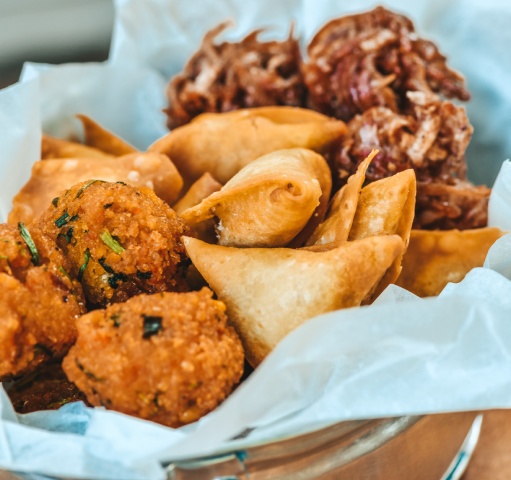
Creole culture isn’t only in festivals. It’s in daily habits. It’s in the way people share food. In the way families and friends gather. In the way music appears naturally in social spaces.
Try street food in a market, then compare it with a slower dining experience later. Eat dholl puri for lunch, then enjoy a more refined Creole-inspired dinner another night. This contrast helps you feel how broad the island’s identity is: casual, generous, and also capable of elegance.
Even the way Mauritians talk about time and plans can feel different from “fast” city life. There’s a natural island rhythm. Things flow. People adapt. That flexibility is part of the culture too.
Festivals and community moments worth planning for
If your travel dates align, local celebrations are a beautiful window into living traditions. You’ll see dance, music, food, and craft all in one place. These aren’t only “events.” They’re community moments.
Even without a big festival, you can still find cultural nights, village gatherings, and small performances depending on where you stay. The key is to stay curious and ask. Locals often love pointing you toward something authentic.

A heritage stop that connects culture and place
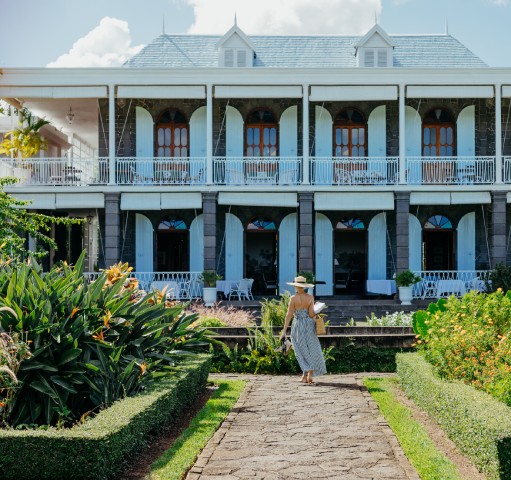
In the south, one of the most memorable ways to experience heritage is to visit a setting that feels timeless, where atmosphere and history come together naturally. Château de Bel Ombre is a strong reference point for travellers interested in heritage storytelling, refined island charm, and the feeling of stepping into another era. It’s the kind of place that adds depth to a south itinerary, especially when paired with nature nearby, a scenic drive, or a special meal.
How to experience Creole culture respectfully
Keep it simple. Listen more than you speak. Ask before you film people closely. Support local makers when you can. Learn a few words in Creole. Smile. Participate when invited, especially during music moments like sega, where clapping and joining in is part of the warmth.
Most importantly, remember this: Creole culture in Mauritius is not a museum. It’s alive. It evolves. It’s shaped by people today, not just by history.
So walk the markets. Notice the crafts. Follow the rhythm when you hear sega. Choose experiences that help you meet the island, not just see it. That’s when Mauritius becomes more than a destination.
It becomes a feeling you carry home.
You may also like
Culinary Journeys

Mauritian Street Food Culture
Culinary Journeys

Local Ingredients of Mauritius
Must-See Sights
