
Sega: The Soul of Mauritius

Some nights in Mauritius, you notice it before you even turn your head. A beat carried by the breeze. Hands clapping in time. A ripple of laughter. Then the ravanne comes in, warm and steady, and everything clicks. Sega isn’t just “music on holiday” here. It’s a living tradition. It’s a shared moment. It’s the island quietly inviting you to step closer and join the circle.
How Sega came to Mauritius, and how it was born
Sega is one of the most recognisable cultural expressions of Mauritius, but its roots travelled across the Indian Ocean long before it became a festival favourite. Communities arriving from Africa and Madagascar brought rhythms, songs, and ways of gathering through movement and storytelling. Over time, those influences blended with island life and shaped what we now know as Sega, Mauritius style: instantly identifiable, deeply local, and always communal. Sega didn’t begin as a staged show. It began as something people did together. A way to celebrate. A way to reconnect. A way to turn an ordinary evening into something brighter. That spirit is still the secret ingredient in every good sega night today.
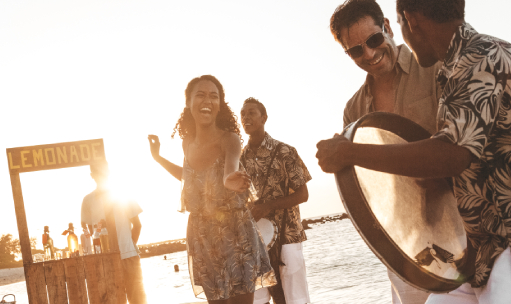
Why the dance feels so grounded
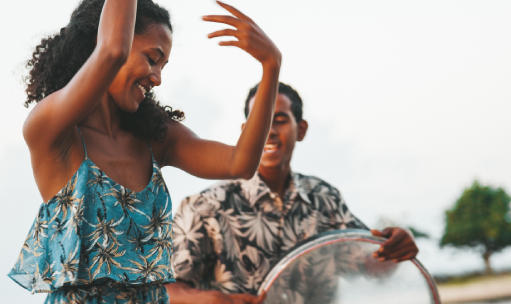
One of the first things visitors notice is the movement. Sega isn’t about high jumps or sharp choreography. It stays close to the earth. It’s fluid. It’s relaxed. Feet often hover near the ground while hips and shoulders move naturally, almost like the body is answering the drum without thinking.
That’s what makes it so welcoming. You don’t need technique. You don’t need to “know the steps.” Sega is about feeling the rhythm and letting your body follow. The dance looks effortless because it’s meant to be. It’s joyful, expressive, and open to everyone.
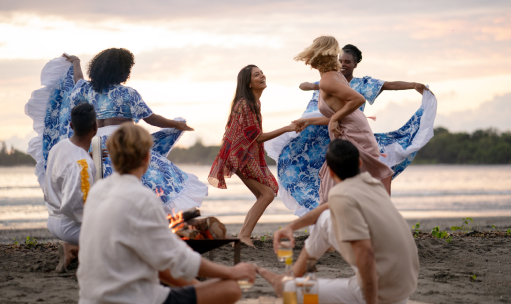
The rhythm that pulls you in
Sega runs on a pulse you can’t ignore. It starts simple, then layers build, the tempo lifts, and suddenly the whole space is moving as one. People clap along without planning to. Smiles spread. Your feet start tapping before your brain has a chance to be shy.
That magic comes from the instruments, and from the way they speak to each other.
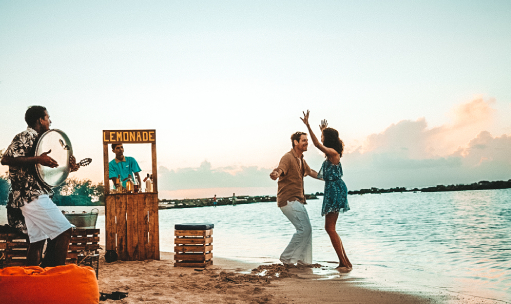
The instruments that give Sega its Mauritian signature
To recognise sega anywhere, listen for three sounds.
The ravanne is the heart. A round hand drum with a warm, alive tone. Traditionally, it’s gently heated near a fire to tighten the skin and sharpen the sound. That small ritual sets the mood right away. It feels intimate. It feels real.
The triangle adds a bright metallic rhythm, crisp and steady, keeping the groove tight.
And the maravanne, a wooden shaker filled with seeds, brings texture and swing. It’s the sound that makes sega feel unmistakably island, like a breeze turned into rhythm.
Together, they create music that is simple, hypnotic, and surprisingly addictive.
How Sega evolved, and why it never loses its spirit
Sega didn’t stay stuck in one time. It grew with the island. As Mauritius modernised, sega moved from informal gatherings to larger celebrations, then to recordings, festivals, and stage performances. New instruments joined in. Guitars and keyboards appeared. Some versions became more polished, more “show-ready.”
And then came creative blends, including seggae, a style born in Mauritius that mixes sega’s pulse with reggae influence. It’s a perfect example of how Mauritian culture evolves while keeping its identity intact.
Today, you can hear sega in different moods: traditional ravanne-led sessions, modern dance tracks, hotel cultural nights, and festival stages. The format changes, but the core feeling stays the same: togetherness.
Sega and folklore: stories, humour, and island life
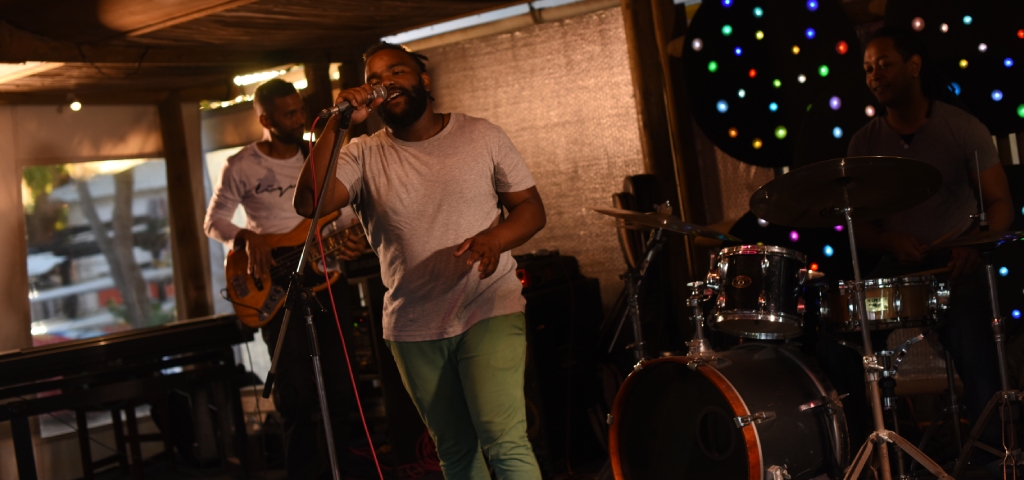
Sega is closely linked to folklore and everyday storytelling. Many songs talk about real life: love stories, little dramas, funny characters, neighbourhood news, social observations, and island humour. The tone can be playful, cheeky, romantic, or softly nostalgic.
And sega is participatory by nature. Call-and-response singing is common. The crowd doesn’t just watch. The crowd becomes part of the moment. That’s why sega feels so warm, so human, and so alive.
Sega elsewhere, and what makes it special in Mauritius
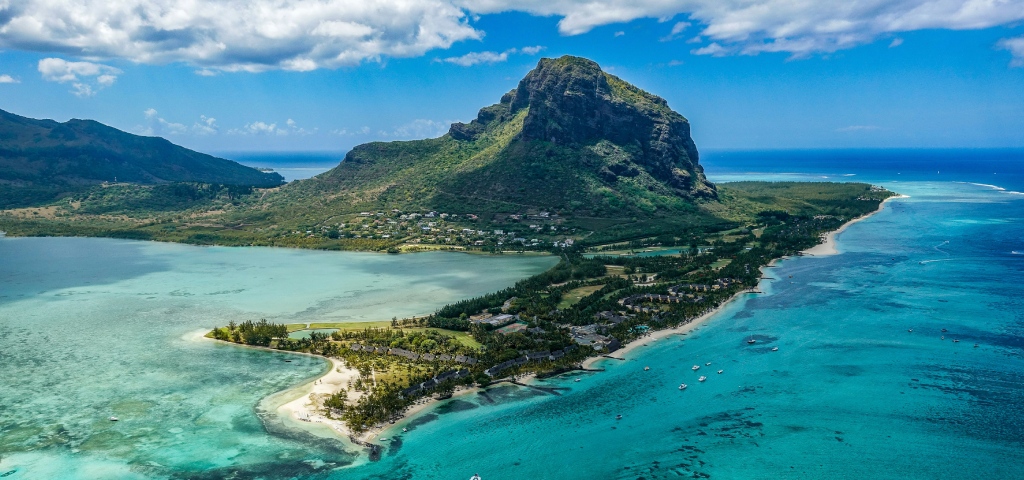
Across islands and coastal cultures, you’ll find traditions born from rhythm, community, and shared celebration. In Réunion, for example, maloya is powerful and deeply percussive. In the Caribbean, you’ll find other Afro-rooted styles that blend history with dance. Across the Indian Ocean and parts of Africa, rhythms can feel like distant cousins.
But Mauritian sega has its own signature.
First, the ravanne, triangle, and maravanne create a sound texture that is instantly recognisable.
Second, the dance is uniquely grounded and fluid. It feels intimate and natural, not showy.
Third, Mauritius’ multicultural identity shapes sega in a special way. The island’s languages, humour, and mixed influences give sega a flavour that belongs here and nowhere else.
Where to experience Sega today
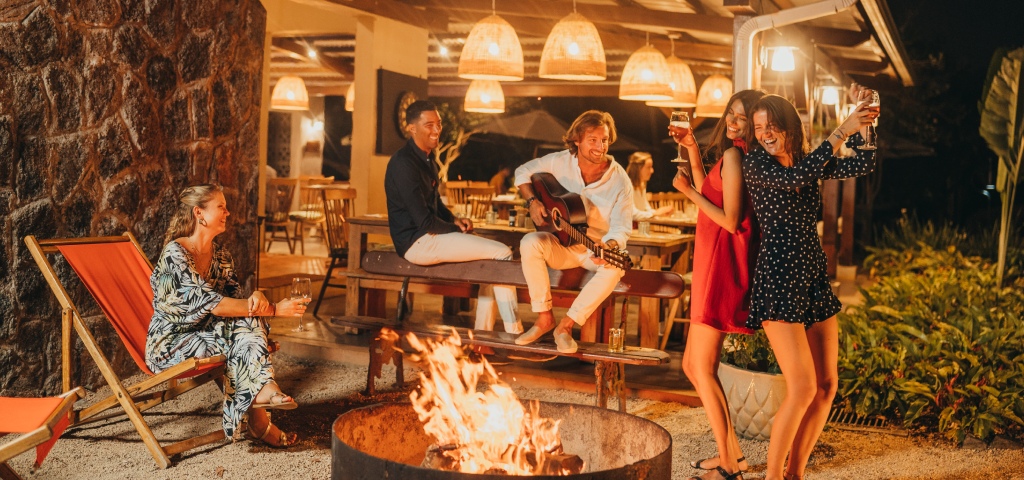
You’ll see sega in many places across Mauritius. Many hotels include sega nights as part of their cultural shows, with dancers, live music, and a festive vibe that’s perfect for a holiday evening. But there are also settings where sega feels more rooted, closer to the way it has long been shared: a tighter circle, a warmer rhythm, the ravanne leading the energy, and a true sense of tradition being carried forward, not just performed.
If you’re the kind of traveller who wants that experience with the roots and soul of sega still intact, choose places that keep the cultural link alive. In the south, Kaz’alala is a beautiful option for this kind of connection, intimate and authentic in atmosphere. In the west, Veranda Tamarin is a great pick to live sega in a more social island-style setting, where the closeness between musicians and guests makes the rhythm feel real.
A simple way to enjoy Sega the right way
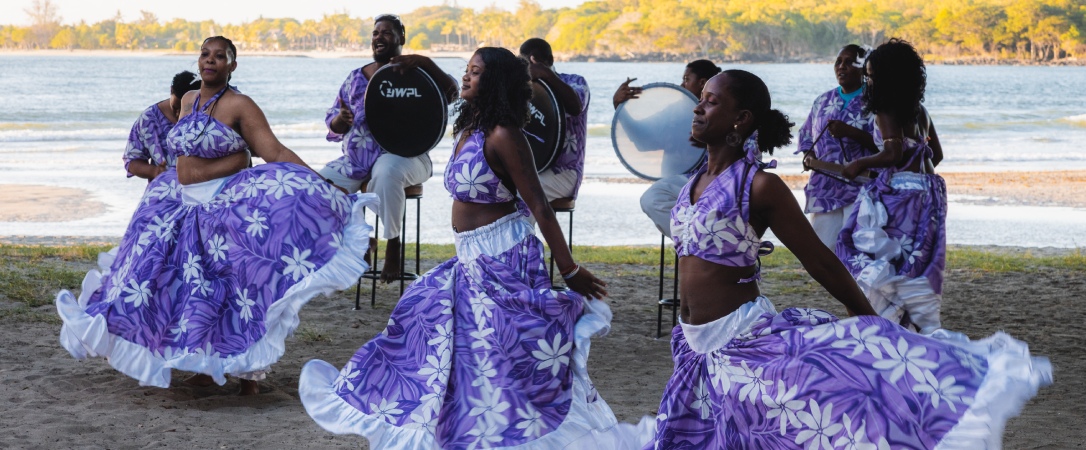
Arrive with curiosity. Watch the ravanne player’s hands. Listen to the triangle cutting through the beat. Clap along. If you’re invited to dance, keep it simple and follow the rhythm. Sega isn’t about “getting it right.” It’s about sharing the moment.
And when you leave, you’ll take more than a video. You’ll take a feeling. Because in Mauritius, Sega is not just music you hear. It’s the island’s joy, in rhythm.
You may also like
Step Into Luxury

Ocean, Fairway & Spectacular Links Views
Island Holidays

Snorkelling, Kayak & Paddleboarding Guide
Exceptional Moments
