
Mauritian Street Food Culture

In Mauritius, some of the best food is eaten standing up. At a market. Beside a roadside stall. Under the shade of a tree. Sometimes wrapped in paper, sometimes handed over still steaming, almost always eaten immediately. If you want to understand street food Mauritius style, forget the idea of “fast food”. Here, street food is part of daily life. It’s breakfast on the way to work. A mid-morning snack. Lunch eaten between errands. Something shared with friends after school. And for travellers, it’s one of the easiest and most delicious ways to connect with the island.
You’ll find influences from India, China, Africa and Europe all folded into Mauritius’ street food culture. But what makes it feel truly local is how those influences have been adapted over generations, until they became simply Mauritian.
Dholl puri: the street food icon. If you try only one thing, start with dholl puri.
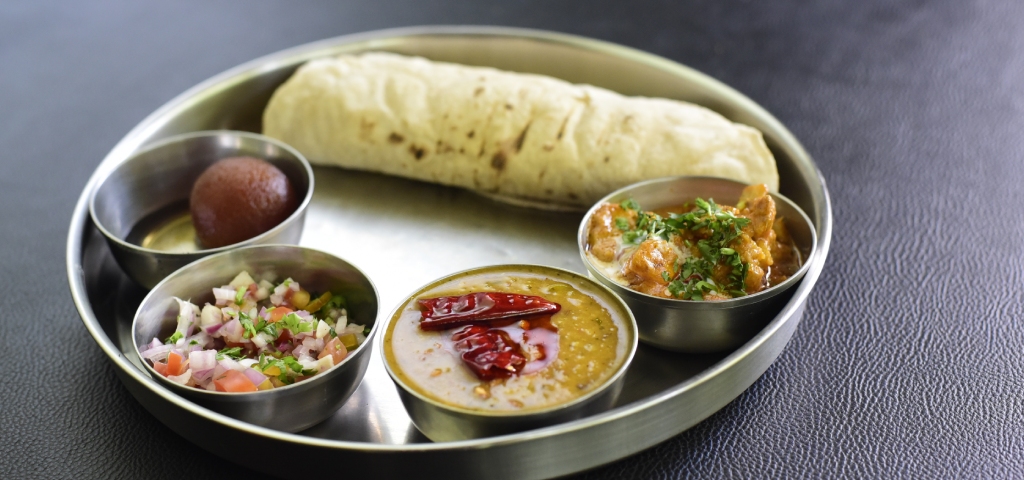
Thin, soft flatbread filled with ground yellow split peas, it’s usually served with bean curry, rougaille, chutney and sometimes a touch of chilli. It arrives folded, warm, and ready to eat in seconds.
The best dholl puri is often found where the queue is longest. Locals know their favourites, and once you’ve tried a really good one, you understand the loyalty. The bread should be soft and light. The fillings should balance each other. The chilli should wake everything up without taking over.
It’s affordable, satisfying, and easy to find almost anywhere on the island.
For travellers, it’s also a great first step into Mauritian food culture because it doesn’t feel intimidating. Order one. Watch how people eat it. Add chilli if you’re brave. Then order another if you’re still hungry.
You probably will.
Roti: simple, flexible and everywhere
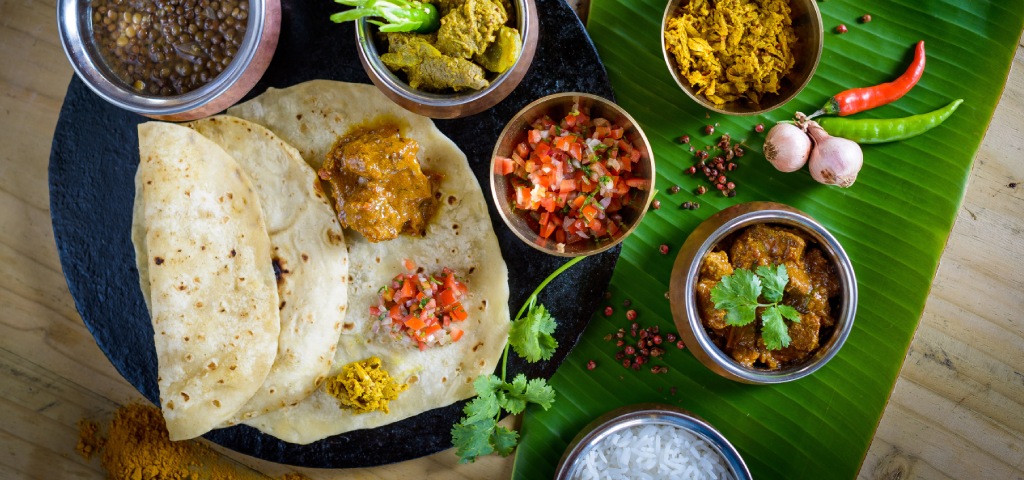
Roti is another everyday favourite and one of the easiest snacks to find while exploring Mauritius. Similar in spirit to dholl puri, but without the split pea filling inside the bread, roti is usually served with curries, chutneys, pickles and vegetables. It can be light or filling depending on what you add. The beauty of roti is its simplicity.
You might eat one after a morning at the beach, another while walking through a market, and another somewhere completely unexpected because the smell from a roadside stand made you stop the car.
That spontaneity is part of the experience.
Street food in Mauritius works best when you don’t over-plan it.
Gajak: Mauritius’ answer to “just one more snack”
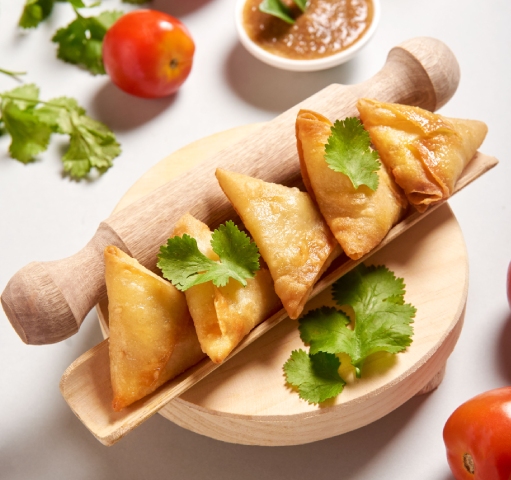
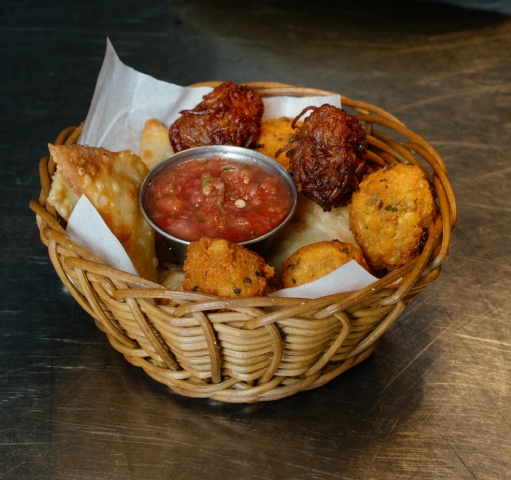
Ask a Mauritian about gajak and you’ll quickly realise it isn’t one specific dish. Gajak is more like a whole category of small savoury bites. Think gateaux piments, samoussas, crispy fritters, fried snacks and other little things designed to be shared, picked at, and eaten without much ceremony. You’ll often see them sold in small paper bags at markets or roadside stalls. Gateaux piments are among the classics. Made with split peas and chilli, they’re crispy on the outside, soft inside, and surprisingly addictive. Samoussas bring another layer, with vegetable, chicken or seafood fillings depending on where you buy them. The danger with gajak is simple: you rarely stop at one.
And that’s exactly the point.
Boulettes, noodles and the Chinese Mauritian influence
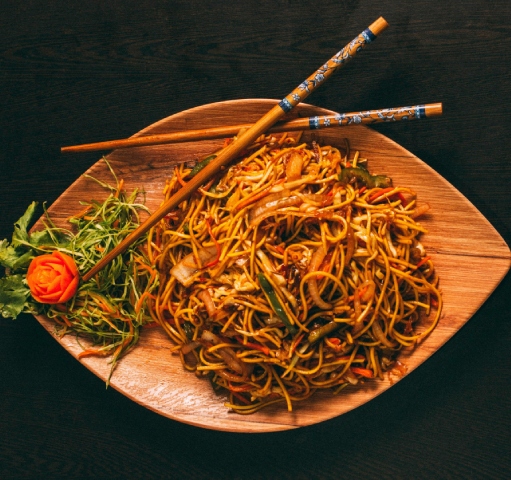
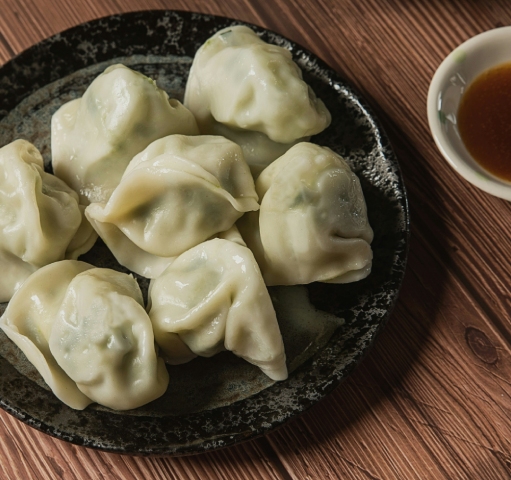
Mauritius’ street food story would be incomplete without the island’s Chinese influences. Boulettes, small dumplings served in broth or with sauce, are a favourite comfort food. They can be filled with fish, meat, vegetables or other ingredients, depending on the stall. Then there are noodles, fried rice and quick wok dishes served in casual spots around the island. This part of the food culture tells you something important about Mauritius. Local cuisine isn’t built around one single tradition. It has grown through people living together, borrowing ideas, adapting flavours, and making them their own. That’s why eating street food here feels like discovering the island’s history one bite at a time.
Where to experience street food in Mauritius. Port Louis is the obvious place to start. The Central Market and surrounding streets are full of movement, smells, colour and small food stops. Come hungry. Try one thing, walk a little, then try something else. But don’t make the mistake of thinking street food only lives in the capital. You’ll find great stalls in towns, villages, near beaches and along busy roads across the island. Rose Hill, Curepipe, Mahébourg, Quatre Bornes and Grand Baie all offer different experiences. Often, the best address is simply the one with a crowd. If several locals are waiting, there’s usually a reason. Eat with curiosity, not a checklist The easiest way to enjoy street food Mauritius style is to treat it as part of the journey, not a separate activity. If you’re driving somewhere and see a busy stall, stop. If someone recommends a snack you’ve never heard of, try it. If the person serving you asks “piment?”, answer carefully. And if you don’t know what something is, ask. Food sellers are often happy to explain, especially when they see genuine interest. The goal isn’t to “tick off” dholl puri, roti and gajak. It’s to experience the rhythm around them.
Street food
Food is one of the easiest ways into local culture because it removes distance quickly. You stand in the same queue as everyone else. You eat the same thing. You watch how people order. You notice which sauces they add. You hear conversations in Creole around you. That’s cultural immersion without needing a formal tour. Some hotels and resorts also try to bring that everyday Mauritian atmosphere into the guest experience through local food, music and cultural activities. Brands such as Veranda Resorts place particular emphasis on this kind of cultural immersion, where the idea is not simply to stay on the island, but to connect with some of the habits, tastes and traditions that shape it. Still, no hotel experience can replace the pleasure of finding your own favourite street food stand. Do both.
Cultural Immersion
The best time to eat street food. There’s no official timetable, but there is a rhythm. Morning is great for markets and lighter snacks. Lunch is perfect for dholl puri, roti, boulettes or noodles. Late afternoon is gajak time. And if you’ve spent the day swimming, hiking or exploring, almost anything tastes better when eaten warm from a paper bag on the way back. The most important advice is simple: go where there is turnover. Busy stalls usually mean ingredients are moving quickly and food is being prepared continuously.
What street food tells you about Mauritius
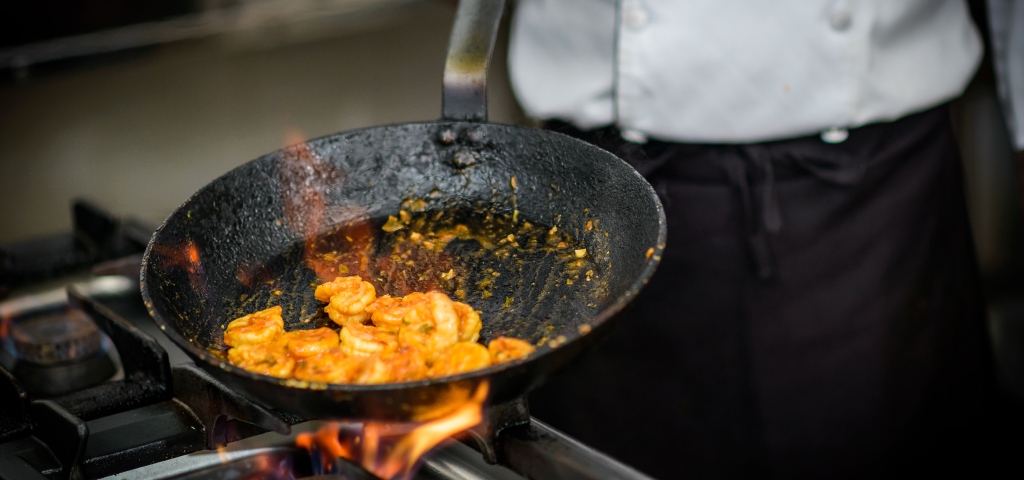
Street food is casual by definition, but culturally, it says a lot. It reflects migration. Adaptation. Family recipes. Everyday habits. It shows how a small island took many culinary influences and turned them into something completely its own. One bite might remind you of India. Another might feel Chinese. A chutney might bring something Creole. A pastry might feel French.
And yet the whole experience still tastes unmistakably Mauritian.
That’s the magic.
So yes, book the beautiful dinner. Try the restaurant with the view. Enjoy the long lunch. But also leave one afternoon unplanned. Walk through a market. Follow the queue. Order the dholl puri. Add the chutney. Try the gajak you can’t name.
Because sometimes the best way to discover Mauritius isn’t through a guidebook.
It’s through what’s wrapped in paper and handed to you across a counter.
You may also like
Culinary Journeys

Local Ingredients of Mauritius
Must-See Sights

The Best Beaches in the South
Step Into Luxury
