
Local Ingredients of Mauritius

Mauritian cooking begins long before anything reaches the pan. It starts in gardens, market stalls, orchards and fields. With herbs picked fresh. Chillies chosen for their heat. Pineapples cut when perfectly ripe. Pumpkins, greens and vegetables cooked according to what is available rather than what a recipe says should be there.
If you want to understand the food of the island, start with the ingredients. Mauritian spices, island herbs and local produce tell the story of a cuisine shaped by many cultures, but also by what grows well in a tropical climate.
Indian, Chinese, African and European influences all form part of Mauritian food culture, creating a cuisine where spices, aromatics and fresh produce constantly cross paths. The result is not one single “Mauritian flavour”. It is a collection of flavours that somehow belong together.
Mauritian spices: the foundations of flavour
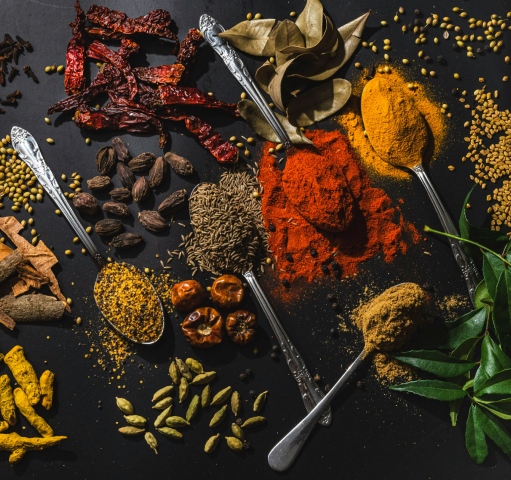
Open a Mauritian kitchen cupboard and you are unlikely to find one magic spice mix that explains everything. Instead, flavours are built in layers.
Turmeric gives dishes warmth and colour. Mustard seeds bring character to vindaye. Ginger and garlic form the base of countless sauces and curries. Chilli appears everywhere, sometimes cooked into a dish, sometimes served separately for those who want more heat.
Then there are combinations that become instantly familiar once you have spent a few days on the island. A rougaille, for example, brings together tomato with aromatics such as onion, garlic, ginger, thyme, chilli, coriander and curry leaves. The important thing about Mauritian spices is not simply how much is used. It is how they are balanced.
A good Mauritian dish can be spicy without being overwhelmingly hot. Fragrant without becoming heavy. There is usually something bright nearby too, a chutney, a pickle, fresh tomato or a squeeze of citrus to lift the plate.
Island herbs that change everything
Some of the most important ingredients in Mauritian cooking are also the simplest.
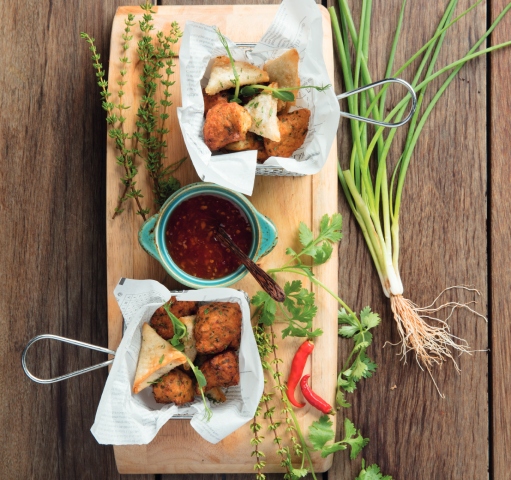
Fresh thyme turns up in home cooking again and again. Coriander is scattered into curries, chutneys and snacks. Curry leaves add their unmistakable aroma to sauces and fried preparations. Mint appears in chutneys and cooling accompaniments.
These island herbs rarely arrive at the table shouting for attention. They work quietly in the background, giving dishes freshness and depth.
And this is where eating in Mauritius becomes interesting. Two people can cook what is technically the same dish, yet it tastes completely different. One household may add more thyme. Another prefers ginger. Someone else has a chilli paste recipe that has been in the family for years.
Recipes travel from generation to generation, but they rarely stand still. Mauritius Now notes that even something as familiar as rougaille can vary depending on who is cooking it. That personal touch is part of the pleasure.
Local produce: cook what the island gives you
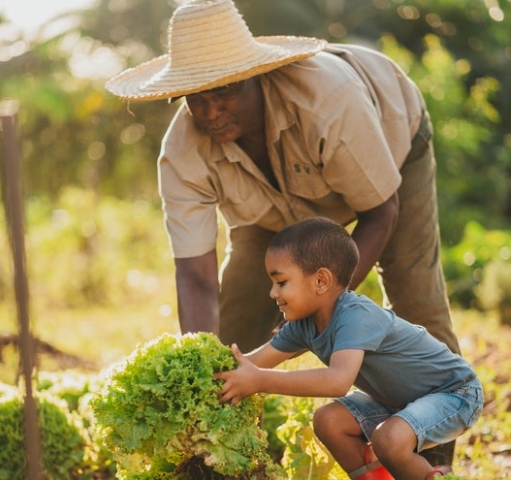
Mauritian food also follows the land. Visit a market and you begin to understand why vegetables play such an important role. Pumpkins, greens, tomatoes, aubergines and different beans find their way into curries, sautés and side dishes. Tropical fruits move easily between sweet and savoury. Pineapple can be dessert one moment and something sharper, sprinkled with chilli and salt, the next.
The island’s food culture has always been good at using what is available. That may mean a vegetable curry with rice and lentils. Fresh fish alongside a tomato-based rougaille. Fruit eaten almost straight from the tree. Or something as simple as chilli, salt and tamarind transforming a piece of seasonal fruit into a roadside snack. The pleasure comes from freshness rather than complexity.
Markets are the best place to understand Mauritian ingredients
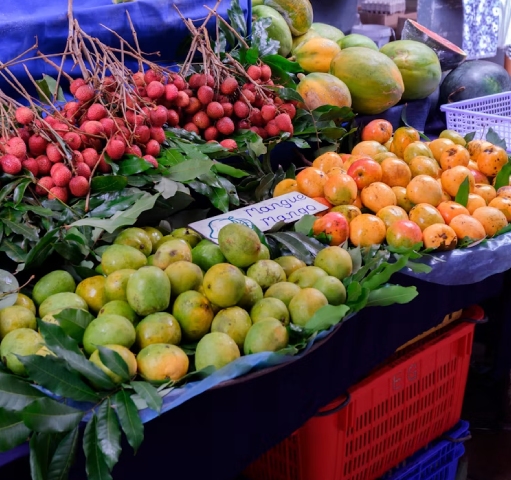
If food interests you, make time for a market. Port Louis is the obvious starting point, but markets and roadside sellers across Mauritius offer an equally good window into everyday eating. Don’t arrive with a strict shopping list. Look at what is abundant that day.
Ask what a vegetable is. Ask how people cook it. Buy a fruit you have never tried. That small conversation may teach you more about Mauritian cuisine than another restaurant menu ever could. Markets also show how closely food and season are connected. Not everything needs to be available all year. Part of travelling well is eating what happens to be good now.
From the garden to the plate at Le Château de Bel Ombre

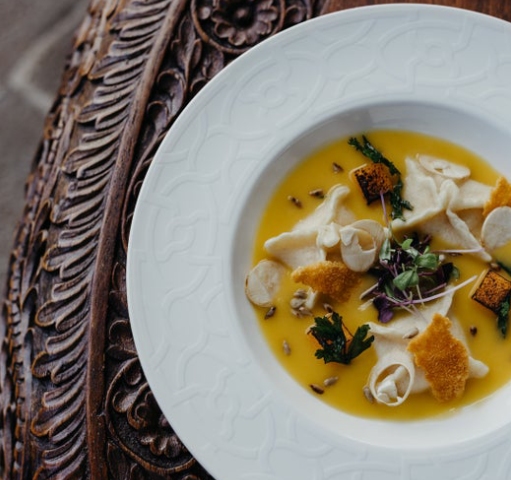
One interesting example of this relationship between land and kitchen can be found in the south, at Le Château de Bel Ombre. The restaurant is set in a historic property surrounded by gardens and places seasonal ingredients and Mauritian flavours at the centre of its culinary approach. But what makes the story more relevant to this guide is what happens behind the plate.
The Potager du Château follows an ecological approach, growing fresh seasonal ingredients for the kitchens while supporting local biodiversity. Heritage describes the garden as part of a broader locavore philosophy, where ingredients are connected to the land and its natural rhythm. It is a good illustration of something Mauritian home cooks have understood for generations: start with what grows around you, then let the ingredient guide the dish.
The Château also works with produce sourced from the surrounding region, with ingredients such as palm heart, pineapple and pumpkin from Bel Ombre highlighted in its local sourcing approach.
When seasonality becomes part of the experience
Seasonal cooking is sometimes presented as a modern culinary trend. On an island, it makes much more practical sense.
Fruit tastes better when it has ripened naturally. Herbs have more personality when they have not travelled halfway around the world. Vegetables can influence what appears on a menu rather than being forced into a fixed formula.
For travellers, this means asking a useful question whenever you sit down to eat: “What is local and good today?” The answer might lead you towards a fish you had not planned to order, a vegetable you do not recognise, or a fruit you have never tasted. That is part of discovering Mauritius.
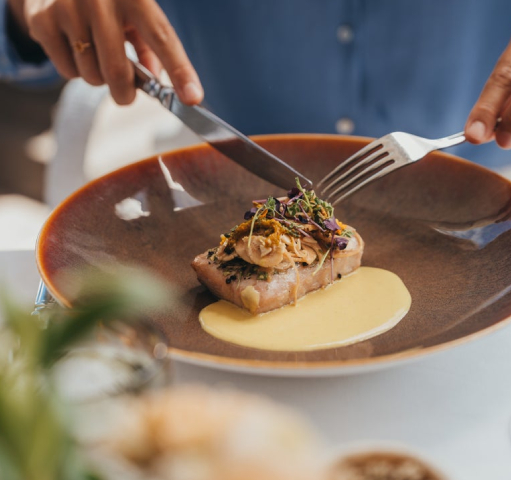
Taste Mauritius beyond the recipe
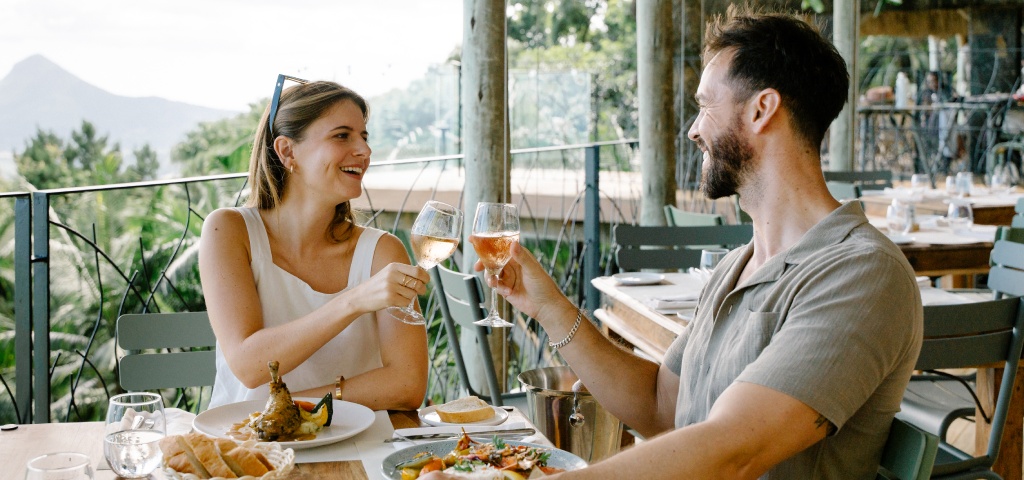
You can learn Mauritian recipes at home. You can buy turmeric, ginger and chilli almost anywhere. What is harder to recreate is the context. The herbs growing outside. The vegetables piled high at a market. The smell of garlic and thyme hitting a hot pan. The pineapple bought from a roadside seller. The potager where the chef sees what is ready before deciding what belongs on the plate.
That is why exploring Mauritian spices, island herbs and local produce is about more than food. It is a way of tasting the island itself.
You may also like
Must-See Sights

The Best Beaches in the South
Step Into Luxury

Ocean, Fairway & Spectacular Links Views
Island Holidays
